

Author: nchisha16268

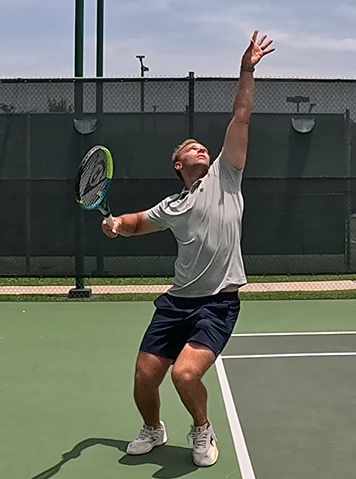
  • Serve: Side-view

    Serve: Side-view

    Serve: Side-view

    Kegan

    Overview:

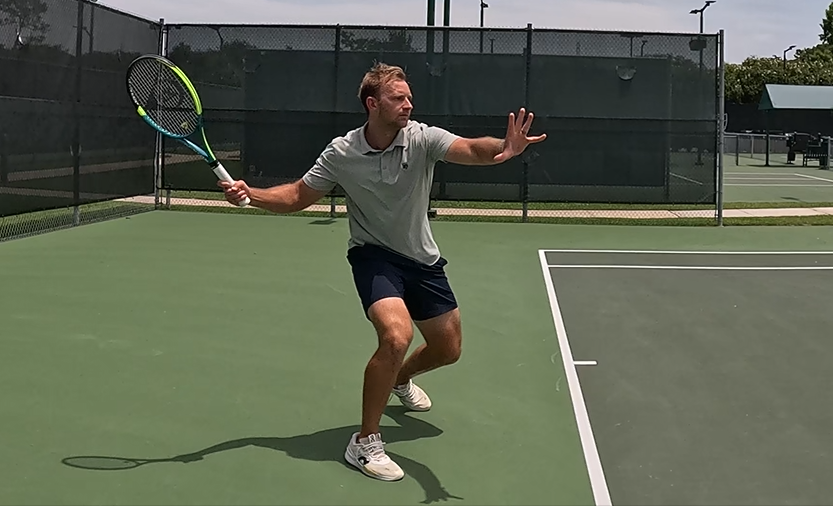
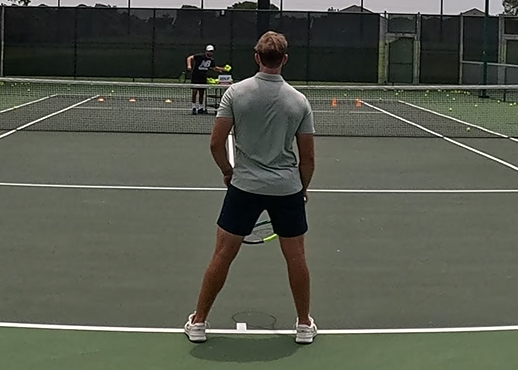
    This side-view perspective provides the clearest way to analyze and correct serve mechanics. The progressive drills allow players to develop proper technique before adding power. For maximum improvement, record your own side-view serves to compare with these technical benchmarks.

    Fundamentals of an Effective Serve

    Core Technical Elements

    Stance & Balance:
    Feet positioned comfortably with front foot at 45° angle, weight evenly distributed

    Ball Toss:
    Consistent release point slightly in front and to the right (for right-handers)

    Swing Path:
    Smooth trophy position to explosive upward contact

    Follow-Through:
    Full extension with natural pronation and weight transfer

    This side-view analysis reveals the serve’s kinetic chain from ground up, highlighting proper sequencing for power and consistency.

    Technical Breakdown

    1. Preparation Phase

    • Feet alignment establishes serving platform

    • Toss arm extension creates consistent ball placement

    • Knee bend loads power from lower body

    2. Swing Execution

    • Trophy position forms proper shoulder alignment

    • Racket drop creates whip-like acceleration

    • Contact point at full extension maximizes power

    3. Follow-Through

    • Pronation occurs naturally through impact

    • Landing inside baseline maintains balance

    • Recovery prepares for next shot

    Key Technique Tips

    1. Toss Consistency

    • Release at shoulder height

    • Minimal spin on ball

    • Same placement for flat and spin serves

    2. Power Generation

    • Leg drive initiates motion

    • Hip rotation precedes shoulder rotation

    • Arm acts as whip not muscle

    3. Target Focus

    • Deep in service box for first serves

    • Higher clearance for second serves

    • Use body alignment to direct serve

    Beginner Drill

    Building Blocks Toss practice – 20 reps focusing on placement Shadow serves – Full motion without ball Half-speed serves – Emphasize proper form

    Advanced Drill

    Precision Training Target serving – Alternate corners on command Speed progression – 50%, 75%, 100% effort Second serve focus – Kick/topspin consistency
    Tags :
    Drills,kegan
    Share This :
  • Forehand Demo

    Forehand Demo

    Forehand Demo

    drills, Kegan

    Overview:

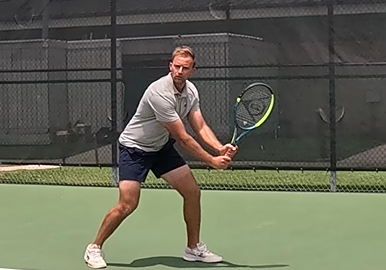
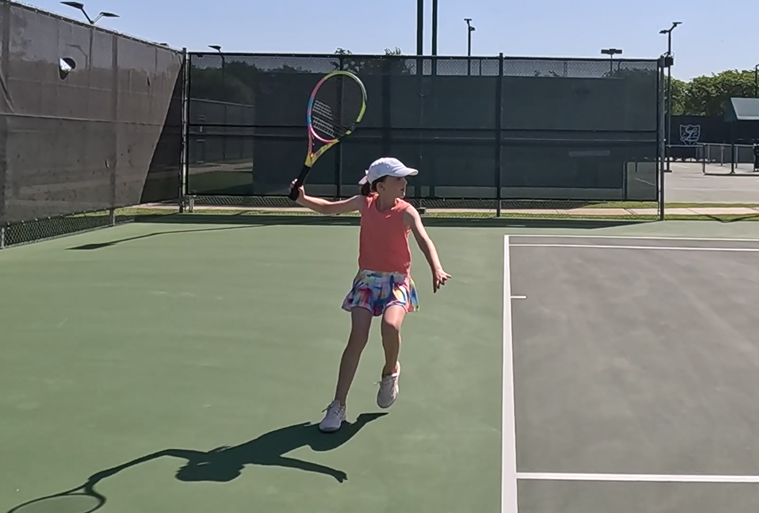
    This video breakdown showcases Kegan executing a series of backhands from a side-view perspective, providing valuable insights into proper stroke mechanics. Let’s analyze the key components of an effective backhand.

    Fundamentals of a Powerful Forehand

    Core Technical Elements

    Stance & Balance:
    Weight evenly distributed with knees flexed, ready to move in any direction.

    Preparation:
    Early shoulder rotation and unit turn to create coil for maximum power.

    Swing Path:
    Smooth low-to-high motion generating optimal topspin and control.

    Follow-Through:
    Full extension across the body with chest opening toward the target.

    This technical breakdown highlights the key components of an effective forehand, demonstrated through clear, repeatable mechanics.

    Technical Breakdown

    1. Preparation Phase

    • Unit turn initiates as soon as ball direction is recognized

    • Racket back early with non-dominant hand supporting the throat

    • Weight loading onto back foot in coiled position

    2. Swing Execution

    • Acceleration starts from the ground up – legs → hips → shoulders → arm

    • Contact point slightly in front of the body for optimal power

    • Firm wrist through impact zone for solid ball striking

    3. Follow-Through

    • Finish over shoulder with racket head pointing downward

    • Recovery step immediately after contact to regain position

    • Eyes remain focused on contact zone through entire motion

    Key Technique Tips

    1. Footwork Essentials

    • Split step as opponent makes contact

    • Adjustment steps to perfect spacing from ball

    • Strong base with feet wider than shoulders for stability

    2. Swing Mechanics

    • Keep swing compact on faster balls

    • Extend follow-through for added topspin and depth

    • Relaxed grip pressure (4/10 tension) for fluid motion

    3. Tactical Targets

    • Deep crosscourt to neutralize opponents

    • Short angle to pull player off court

    • Down-the-line for offensive opportunities

    Beginner Drill

    Form Foundations Shadow swings – 20 reps focusing on full motion Self-fed drop hits – Emphasize clean contact Mini-court rallies – Short distance control practice

    Advanced Drill

    Match Simulation Directional control – 5 crosscourt, 5 down-the-line alternating Depth variation – Alternate deep/short balls on coach's feed Combination patterns – Approach shot followed by volley finish

    Tags :
    Drills,kegan
    Share This :
  • Forehand & Backhand Crosscourt Shots

    Forehand & Backhand Crosscourt Shots

    Kegan

    Overview:

    This comprehensive drill progression develops stroke reliability while integrating tactical awareness and physical demands of match play. The structured approach allows players to methodically build competence before adding complexity.

    Fundamentals of Crosscourt Shots

    Core Technical Elements

    Stance & Balance:
    Weight properly distributed with knees flexed for stability and quick adjustments.

    Preparation:
    Full shoulder turn with early racket takeback to ensure proper timing and control.

    Swing Path:
    Controlled low-to-high motion for optimal topspin and consistency.

    Follow-Through:
    Complete finish with shoulder rotation to maximize power and accuracy.

    This breakdown highlights the mechanics of effective crosscourt shots, emphasizing proper alignment, swing path, and body positioning—essential for players refining their technique.

    Technical Breakdown

    1. Preparation Phase

    • Shoulder rotation begins as the ball crosses the net, ensuring early setup.

    • Unit turn consistency keeps the stroke repeatable under pressure.

    • Racket preparation starts early to maintain smooth acceleration.

    2. Swing Execution

    • Acceleration through contact ensures clean ball striking.

    • Arm extension at impact maximizes control and depth.

    • Weight transfer from back foot to front foot generates power.

    3. Follow-Through

    • High finish over the shoulder maintains topspin and directional control.

    • Balanced recovery resets position for the next shot.

    Key Technique Tips

    1. Footwork & Positioning

    • Turn early (unit turn) to align your body with the crosscourt target.

    • Step into the shot with your front foot pointing toward the intended angle.

    2. Swing & Contact

    • Low-to-high swing for consistent topspin and net clearance.

    • Contact slightly in front of your body for optimal power and control.

    • Follow through over the shoulder to maintain depth and spin.

    3. Target Deep & Wide

    • Aim for the back third of the diagonal court to push your opponent back and open the court.

    Beginner Drill

    Shadow swings – Practice the full motion without a ball. Short-distance wall hits – Focus on clean contact and swing path. Add small steps – Incorporate footwork between shots.

    Advanced Drill

    Alternate crosscourt/down-the-line on coach’s feed. Add recovery sprints after each shot to simulate match play. Finish with an approach-and-volley sequence to integrate net play.

    Tags :
    Drills,kegan
    Share This :
  • Forehand: Going forward and Backward

    Forehand: Going forward and Backward

    Forehand: Going forward and Backward

    Kegan

    Overview:

    This technical breakdown examines proper forehand mechanics when moving forward to attack and backward to defend, using professional fundamentals for optimal court coverage.

    Fundamentals of Dynamic Forehand Play

    Core Technical Elements

    • Stance & Balance: Athletic base with weight transfer coordinated to movement direction

    • Preparation: Early unit turn adjusted for incoming ball depth

    • Swing Path: Modified follow-through based on court position

    • Recovery: Efficient reset steps after each stroke

    Technical Breakdown

    1. Preparation Phase

    • Forward Movement: Shorter backswing when approaching

    • Backward Movement: Extended takeback when retreating

    • Footwork: Adjusts between attacking steps (forward) and defensive shuffles (back)

    2. Swing Execution

    • Forward Swing: Compact motion with upward finish for approach shots

    • Backward Swing: Full extension with deeper base for defensive replies

    • Contact Point: Maintains consistent impact zone despite movement

    3. Follow-Through

    • Forward Finish: Shorter across body for volley preparation

    • Backward Finish: Full high finish for depth and stability

    Recommended Training Drill

    Progressive Backhand Development

    1. Shadow Swings

      • 10 repetitions focusing on complete motion

      • Emphasize shoulder turn and full follow-through

    2. Self-Fed Practice

      • Drop-feed from service line

      • Concentrate on clean contact and extension

    3. Cross-Court Rally

      • Sustain 15+ consecutive shots

      • Maintain consistent depth and spin

    Key Technique Tips

    1. Footwork Adjustments

      • Small adjustment steps when moving forward

      • Cross-over steps when recovering backward

    2. Swing Adaptation

      • Compact swing on short balls

      • Extended swing on deep balls

    3. Target Priorities

      • Angle creation when moving forward

      • Depth control when moving back

    Beginner Drill

    Shadow swings with forward/backward steps Self-fed balls alternating between service line and baseline Mini-court rallies emphasizing position changes

    Advanced Drill

    Coach feeds alternating short/deep balls Required recovery to designated court position after each shot Finish sequence with approach shot and volley combination

    Tags :
    Drills,kegan
    Share This :
  • Backhand Front-view

    Backhand Front-view

    Backhand Front-view

    Kegan

    Overview:

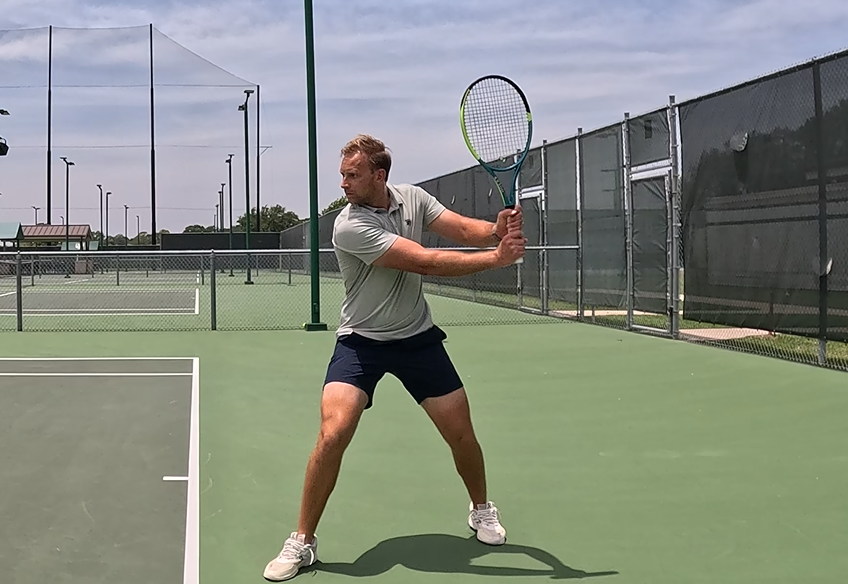
    This video breakdown showcases Kegan executing a series of backhands from a side-view perspective, providing valuable insights into proper stroke mechanics. Let’s analyze the key components of an effective backhand.

    Fundamentals of a High-Quality Backhand

    Core Technical Elements

    • Stance & Balance: Weight properly distributed with knees flexed

    • Preparation: Full shoulder turn with early racket takeback

    • Swing Path: Controlled low-to-high motion for optimal topspin

    • Follow-Through: Complete finish with shoulder rotation

    Technical Breakdown

    1. Preparation Phase

    • Kegan demonstrates excellent shoulder rotation prior to contact

    • Notice the consistent unit turn on each repetition

    • Racket preparation begins as the ball crosses the net

    2. Swing Execution

    • Smooth acceleration through the contact zone

    • Arm extension maintained through impact

    • Weight transfer from back foot to front foot

    3. Follow-Through

    • Complete finish position with racket head over the shoulder

    • Balanced recovery position after each stroke

    Recommended Training Drill

    Progressive Backhand Development

    1. Shadow Swings

      • 10 repetitions focusing on complete motion

      • Emphasize shoulder turn and full follow-through

    2. Self-Fed Practice

      • Drop-feed from service line

      • Concentrate on clean contact and extension

    3. Cross-Court Rally

      • Sustain 15+ consecutive shots

      • Maintain consistent depth and spin

    Key Technique Tips

    1. Footwork & Positioning

    • Turn sideways early (unit turn) to prepare for the shot.

    • Step into the ball with your front foot pointing toward the target.

    2. Swing & Contact

    • Low-to-high swing for topspin and control.

    • Contact point slightly in front of your body for power.

    • Follow through over your shoulder to keep the ball deep.

    3. Target Deep & Wide

    Aim for the back third of the diagonal court to push your opponent back.

    Beginner Drill

    Shadow swings: Practice full motion without ball Short-distance wall hits: Focus on clean contact Add small steps between shots

    Advanced Drill

    Alternate crosscourt/down-the-line on coach's feed Add recovery sprints after each shot Finish with approach-and-volley sequence

    Tags :
    Drills,kegan
    Share This :
  • Backhand Side Demo

    Backhand Side Demo

    Backhand Side Demo

    Kegan

    Overview:

    This video breakdown showcases Kegan executing a series of backhands from a side-view perspective, providing valuable insights into proper stroke mechanics. Let’s analyze the key components of an effective backhand.

    Fundamentals of a High-Quality Backhand

    Core Technical Elements

    • Stance & Balance: Weight properly distributed with knees flexed

    • Preparation: Full shoulder turn with early racket takeback

    • Swing Path: Controlled low-to-high motion for optimal topspin

    • Follow-Through: Complete finish with shoulder rotation

    Technical Breakdown

    1. Preparation Phase

    • Kegan demonstrates excellent shoulder rotation prior to contact

    • Notice the consistent unit turn on each repetition

    • Racket preparation begins as the ball crosses the net

    2. Swing Execution

    • Smooth acceleration through the contact zone

    • Arm extension maintained through impact

    • Weight transfer from back foot to front foot

    3. Follow-Through

    • Complete finish position with racket head over the shoulder

    • Balanced recovery position after each stroke

    Recommended Training Drill

    Progressive Backhand Development

    1. Shadow Swings

      • 10 repetitions focusing on complete motion

      • Emphasize shoulder turn and full follow-through

    2. Self-Fed Practice

      • Drop-feed from service line

      • Concentrate on clean contact and extension

    3. Cross-Court Rally

      • Sustain 15+ consecutive shots

      • Maintain consistent depth and spin

    Key Technique Tips

    1. Footwork & Positioning

    • Turn sideways early (unit turn) to prepare for the shot.

    • Step into the ball with your front foot pointing toward the target.

    2. Swing & Contact

    • Low-to-high swing for topspin and control.

    • Contact point slightly in front of your body for power.

    • Follow through over your shoulder to keep the ball deep.

    3. Target Deep & Wide

    Aim for the back third of the diagonal court to push your opponent back.

    Beginner Drill

    Shadow swings: Practice full motion without ball Short-distance wall hits: Focus on clean contact Add small steps between shots

    Advanced Drill

    Alternate crosscourt/down-the-line on coach's feed Add recovery sprints after each shot Finish with approach-and-volley sequence

    Tags :
    Drills,kegan
    Share This :
  • Under the Rope Going Forward

    Under the Rope Going Forward

    Under the Rope Going Forward

    Madison

    Overview:

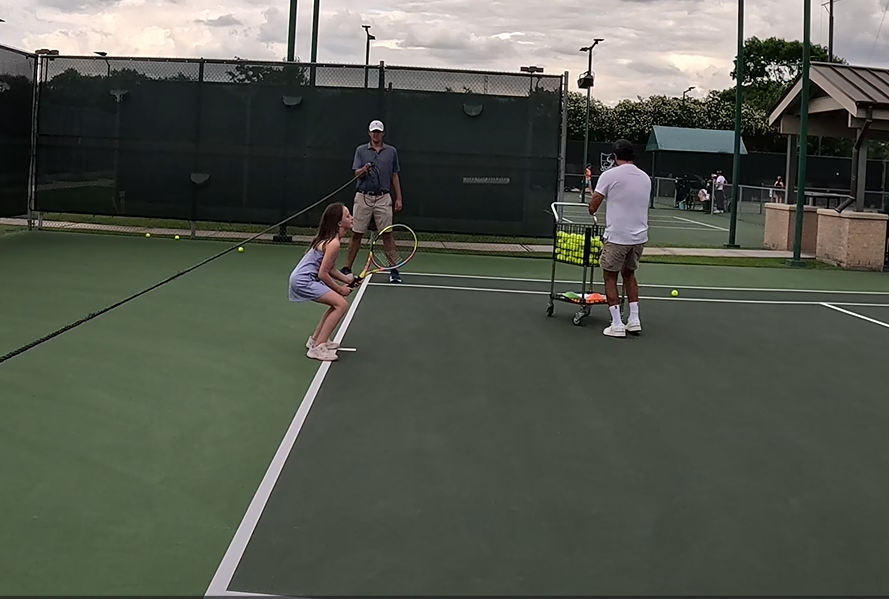
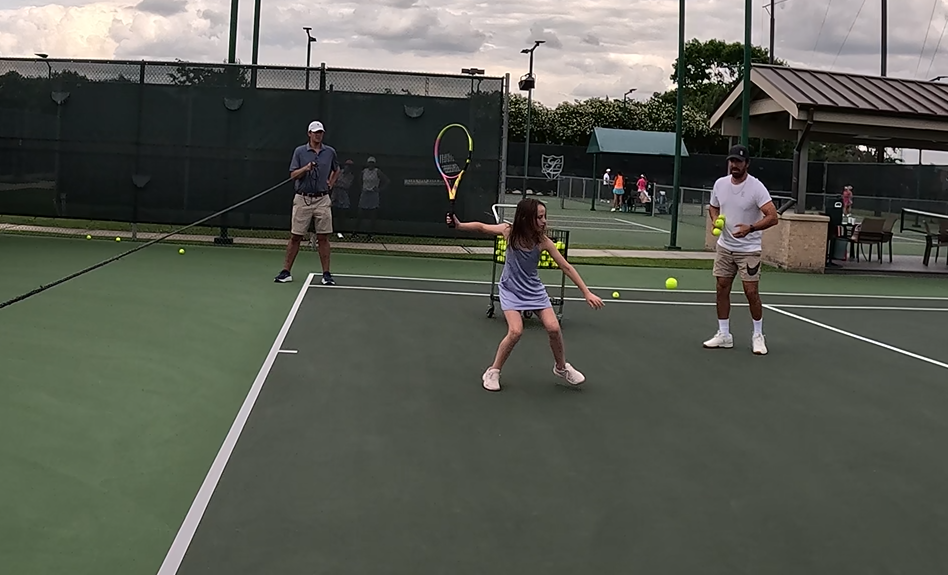
    Want explosive movement and stronger groundstrokes? This “Under the Rope” drill trains players to generate power from their legs while maintaining balance and posture—even in a low stance. Perfect for beginners learning proper footwork!

    Tactic:

    Take your footwork to the next level with this variation of our popular “Under the Rope” drill! This version focuses on back-and-forth movement, teaching players to maintain posture while changing directions – crucial for covering wide shots and recovering to center.

    Activity:

    Starting Position

    • Begin in athletic stance 2 feet left of rope (for right-handed players)
    • Weight on outside (right) foot, ready to push

    Movement Sequence

    1. Shuffle step toward rope
    2. Deep knee bend as approaching (hips back, chest up)
    3. Powerful push-off with left leg to go under
    4. Immediate shuffle recovery back after clearing
    5. Explode forward to far cone

    layers in pairs cooperatively share a ball using a crosscourt forehand groundstroke. Players
    count the number of rallies in 2 minutes.

    Fundaamental Teaching Points:

    1. Ensure players are in a set up north-south position when receiving and sending the ball.
    2. Ensure players impact the ball with strings facing the target.
    3. Ensure players recover to home base

    Key Technique Tips

    1. Posture is Everything

      • Keep your chest up and spine straight when bending (hinge at hips, not waist)

      • Eyes forward – imagine watching the ball over the net even when low

    2. Leg Engagement

      • Load weight into your quads and glutes when descending

      • Push through the balls of your feet for explosive upward drive

    3. Arm Positioning

      • Maintain light racket prep (elbow bent at 90°) even when low

      • Free arm extends slightly for balance

    4. Breathing Control

      • Exhale sharply when pushing up to engage core muscles

    Tags :
    Drills,madison
    Share This :
  • Attacking with Forehand Cross Court

    Attacking with Forehand Cross Court

    Attacking with Forehand Cross Court

    drills, Madison

    Overview:

    Want to control the game and keep your opponent running? The forehand cross-court shot is one of the most effective ways to move your opponent and create offensive opportunities. In this lesson, we’ll break down the technique, footwork, and strategy—plus a fun drill to practice!

    Tactic:

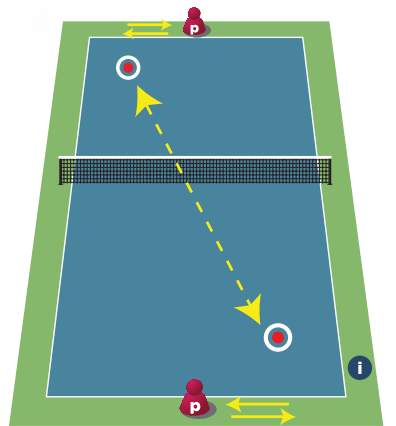
    Playing the ball crosscourt and down the line to move the opponent.
    A cross-court forehand is a shot hit diagonally from one side of the court to the other.

    • Why use it?

      • Longer diagonal court = more margin for error.

      • Forces the opponent to cover more distance.

      • Opens up the court for winners (down-the-line or inside-out shots later).

    Activity:

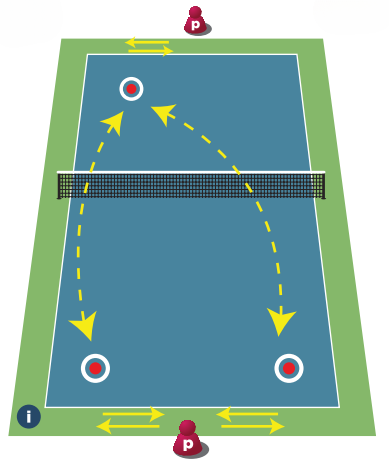
    Using the red court area players stand at home
    base (recovery) with one player pushing the ball cross-court then down the line while the other player always pushes back to the same corner. Players continuously exchange the ball along the ground. The rally is over if the ball goes out of the playing area or bounces off the ground. Players with the longest rally win.

    Players in pairs cooperatively share a ball using a crosscourt forehand groundstroke. Players
    count the number of rallies in 2 minutes.

    Fundaamental Teaching Points:

    1. Ensure players are in a set up sideways position when receiving and sending the ball.
    2. Ensure players impact the ball with strings facing the target.
    3. Ensure players recover to home base

    Key Technique Tips

    1. Footwork & Positioning

    • Turn sideways early (unit turn) to prepare for the shot.

    • Step into the ball with your front foot pointing toward the target.

    2. Swing & Contact

    • Low-to-high swing for topspin and control.

    • Contact point slightly in front of your body for power.

    • Follow through over your shoulder to keep the ball deep.

    3. Target Deep & Wide

    Aim for the back third of the diagonal court to push your opponent back.

    Tags :
    Drills,madison
    Share This :

    Add Your Heading Text Here